The global sports supplement market crossed $50 billion this year. The vast majority of that money was spent by men who would have gotten better results spending it on nothing and showing up more consistently instead.
This is not a fringe opinion. It is what the research says when you read it without the filter of the companies funding it.
Here is what the science actually shows, what the industry does not want you to know, and what produces results when the tub is empty and the excuses are gone.
What supplements actually do
The honest list of supplements with meaningful, replicated research support for strength and body composition is short.
Creatine monohydrate increases phosphocreatine availability in muscle tissue, which supports high-intensity effort and has a modest but real effect on strength and lean mass over time. It costs roughly $15 to $20 for a two-month supply at effective doses. The research on it is among the most consistent in sports science.
Caffeine increases alertness and reduces perceived effort, which translates to modest performance improvements in training. It is available in coffee for cents per serving.
Protein supplementation supports muscle protein synthesis when dietary protein intake is insufficient. A whole food diet with adequate protein does the same thing.
That is the list. Everything else has either marginal evidence, no evidence, or evidence funded by the companies selling the product.
What the industry sells instead
The supplement industry does not sell you what works. It sells you the feeling of doing something about your training without having to do the hard thing.
The man who buys a new pre-workout is doing something. He is researching, purchasing, unboxing, mixing, consuming. All of that activity creates a sense of investment and progress that training itself, which is uncomfortable and slow, does not.
This is not an accident. The industry is built on the gap between what men want, transformation, and what they are willing to consistently do to get it. The supplement fills that gap with the feeling of action without requiring the action itself.
The man who has spent $200 on supplements this month and trained twice has not invested in his fitness. He has paid for the feeling of investing in his fitness.
What actually produces results
Progressive overload applied consistently over time. That is it.
Pick up something heavy. Put it down. Add a little more next time. Show up often enough that the adaptations have time to accumulate. Do this for months and years without stopping when the progress is slow or invisible.
No supplement accelerates this process meaningfully. No recovery product substitutes for it. The results live in the repeated application of effort over time, and nothing in the $50 billion industry changes that equation.
What gear does, legitimate training gear with functional properties, is remove friction from the sessions that produce those results. Gear that manages moisture does not make you stronger. It makes the session where you get stronger slightly less uncomfortable, which over hundreds of sessions matters.
Where to put the money instead
If you have a supplement budget, creatine and adequate dietary protein are the only things worth buying. The rest of the money belongs in gear that serves the session, food that fuels recovery, and sleep that actually allows adaptation to happen.
A compression shirt that manages moisture across a full session and lasts twelve months of training costs $20. One month of a mid-tier pre-workout stack costs $60 to $80 and produces results the research would describe as marginal to undetectable beyond the caffeine component.
The math is not subtle.

Moisture-wicking, shape-holding, built to disappear mid-session. 14-day returns.
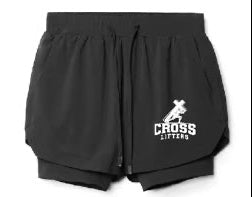
Support under load. For the sessions where the actual work happens. 14-day returns.
FAQ
What supplements actually have strong research support for strength training?
Creatine monohydrate and caffeine have the most consistent evidence. Protein supplementation is useful when dietary protein is insufficient. Most other sports supplements have marginal, inconsistent, or industry-funded evidence.
Why does the supplement industry continue to grow if the products do not work?
Because they sell the feeling of progress, not progress itself. The purchase and consumption create a sense of investment that substitutes for the discomfort of consistent training.
What produces actual results in the gym?
Progressive overload applied consistently over time. No supplement meaningfully accelerates this.
Is creatine worth taking?
Yes. The evidence for creatine monohydrate is among the most consistent in sports science. At $15 to $20 for two months it is also the best value in the supplement category.
Where should I put my fitness budget instead of supplements?
Quality training gear that serves the session, adequate dietary protein from whole foods, and sleep that allows recovery and adaptation.
"I discipline my body and keep it under control." (1 Corinthians 9:27). The discipline is the investment. Not the tub next to the discipline.
Leave a comment
This site is protected by hCaptcha and the hCaptcha Privacy Policy and Terms of Service apply.