The recovery industry has done something remarkable. It has taken the legitimate science of post-exercise recovery and turned it into a premium lifestyle category that charges men hundreds of dollars for interventions with mixed evidence while the most consistently supported recovery tools cost almost nothing.
Here is what the research actually says about recovery, what the premium products are actually delivering, and where your money does more work than a $400 tub of cold water.
What recovery actually is
Recovery is the process by which the body repairs micro-damage caused by training, replenishes depleted energy stores, and adapts to the stimulus that was applied. The primary drivers of effective recovery are well-established and inexpensive: adequate sleep, sufficient protein intake, hydration, and reduced psychological stress. These four things account for the vast majority of recovery quality and are available to every man regardless of budget.
Everything else operates at the margins. The marginal benefit is real for some tools in some contexts. It is significantly smaller than the marketing suggests and significantly more context-dependent than the premium price points imply.
What the ice bath research actually shows
Cold water immersion has a genuine but narrow application in sports recovery. The evidence supports it for reducing acute muscle soreness after high-volume endurance or team sport activity and for supporting recovery between training sessions less than 24 hours apart, which is a specific use case relevant to elite athletes and almost no one else.
For the man training four to five times per week with 24 to 48 hours between sessions, the evidence for cold water immersion is mixed to negative. Several studies show that regular cold water immersion after strength training blunts the anabolic signaling that produces muscle adaptation. You are potentially spending $400 on a tub that reduces the results of the training you are recovering from.
This is not fringe science. It is in the mainstream sports physiology literature and the recovery industry does not discuss it because it is bad for sales.
What compression actually does for recovery
Compression garments have a more consistent and better-understood recovery application than cold water immersion for most training contexts.
The mechanism is direct: compression applied to muscle tissue after exercise increases venous blood return, which clears metabolic waste products and delivers oxygen and nutrients to the recovering tissue more efficiently. Multiple meta-analyses show that wearing compression garments for one to two hours post-exercise reduces delayed-onset muscle soreness, lowers blood markers of muscle damage, and produces meaningful improvements in perceived recovery compared to no compression.
This works for strength training specifically, not just endurance or team sports. It works for the training frequencies most men actually use. And it works with garments that cost $33, not $400.
The honest recovery stack
Sleep seven to nine hours. This is the highest-impact recovery intervention available and it is free. Nothing in the recovery industry comes close to what adequate sleep produces, and almost no premium recovery product compensates for inadequate sleep.
Eat enough protein. 0.7 to 1 gram per pound of bodyweight supports muscle protein synthesis. Whole food sources perform equivalently to expensive protein products at a fraction of the cost.
Stay hydrated. Dehydration impairs every recovery mechanism the body uses.
Wear compression post-training. The evidence for this is more consistent than most premium recovery tools for most training contexts. A $33 compression short worn for an hour after training produces measurable recovery benefits that the research has replicated across multiple studies.
Manage stress. Elevated cortisol chronically impairs recovery regardless of how well you sleep or eat.
Where to put the recovery budget
Not in ice baths if you are a recreational to intermediate lifter training for strength. Not in pneumatic compression boots at $500 per session. Not in recovery supplements that are mostly creatine and amino acids available separately for a fraction of the cost.
In compression gear that is worn during and after training and has the research to back it. In food that actually fuels recovery. In sleep that is actually adequate.
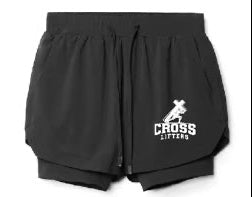
Wear during training and after. Reduces soreness, supports recovery. $33. 14-day returns.

Compression during and after upper body sessions. $20. 14-day returns.
FAQ
Does cold water immersion actually help recovery?
For endurance athletes and team sport players with less than 24 hours between sessions, yes. For strength-focused training with normal recovery windows, the evidence is mixed and several studies show it may blunt anabolic signaling.
What is the most impactful recovery tool available?
Sleep. Seven to nine hours produces recovery benefits that no premium product comes close to replicating.
Do compression garments actually help with recovery?
Yes. Multiple meta-analyses show that wearing compression garments for one to two hours post-exercise reduces delayed-onset muscle soreness and lowers markers of muscle damage. The evidence is more consistent than most premium recovery products for strength training contexts.
How long should I wear compression after training?
One to two hours post-exercise is the window most consistently supported by research.
Is the recovery industry trustworthy?
Parts of it, for specific tools in specific contexts. Reading the primary research rather than the marketing materials produces a very different picture of what is and is not worth spending money on.
"For physical training is of some value." (1 Timothy 4:8). So does your recovery. Spend both wisely.
Leave a comment
This site is protected by hCaptcha and the hCaptcha Privacy Policy and Terms of Service apply.