
You are probably doing at least three of these right now.
Not because you are careless. Because nobody told you. Because gear brands do not have a financial incentive to explain why their products are failing, and most gym content is focused on what you do in the session, not what happens to the gear after you leave.
Here are seven specific habits that are quietly destroying your compression shirts, shorts, and training gear, and exactly what to do instead.
1. Washing everything together on hot
Cotton towels, denim, and heavy fabrics shed fibers and create friction against synthetic performance fabric in the wash. Add hot water, and you have a combination that breaks down elastic fibers, causes pilling on the surface of compression fabric, and degrades moisture-wicking properties faster than any amount of training wear would.
The fix: wash gym gear in its own cold load, separate from everything else. One small load per week doubles the functional life of everything in it.
2. Leaving sweaty gear in the bag for hours after training
Sweaty synthetic fabric in a sealed gym bag is the perfect environment for odor-causing bacteria to multiply and for elastic fibers to break down while still compressed and damp.
The fix: hang or lay flat all gym gear as soon as you get home. Even if you are not washing it yet, air circulation within an hour of training prevents the bacterial buildup that makes gear smell permanently and the fiber degradation that kills compression ahead of schedule.
3. Using too much detergent
Excess detergent that does not fully rinse out of synthetic fabric stays in the fibers. It attracts bacteria, breaks down moisture-wicking properties, and creates a residue that makes the fabric stiffer and less functional over time.
The fix: use half the recommended amount for synthetic fabrics and run an extra rinse cycle if your machine allows it.
4. Tumble drying compression gear on high heat
This is the single fastest way to destroy compression fabric. The elastic spandex fibers that give compression gear its shape and function are heat-sensitive. One high-heat drying cycle does measurable damage. Regular high-heat drying turns a compression shirt into a regular tight shirt within a few months.
The fix: hang dry every time. No exceptions.
5. Wearing compression shorts as underwear substitutes daily
Compression shorts are built for training loads and training frequency. Wearing them as everyday underwear replacements subjects them to friction, heat, and compression stress that they were not engineered for at that frequency.
The fix: keep compression gear for training. Use it for its purpose and it lasts far longer.
6. Storing gear folded tightly instead of laid flat or hung
Folding compression gear tightly and leaving it compressed in a drawer for days between sessions keeps elastic fibers under sustained tension when they should be at rest. Over time this reduces the gear's ability to return to its original shape after a session.
The fix: store compression shorts and shirts either hung or laid flat, not folded tightly.
7. Buying a size down because you think tighter means more compression
This one destroys gear through overuse of the elastic system. Buying a size smaller than recommended puts the compression fibers under more stress than they were designed to handle at rest, which accelerates degradation at the seams and through the fabric itself.
Beyond the gear damage, a compression shirt or short that is too small restricts breathing and range of motion in ways that reduce training performance rather than supporting it.
The fix: buy your actual size. True-to-size fit puts the compression fibers in the functional range they were built for.
Gear worth actually caring for

Cold wash. Hang dry. 12 months or more of hard training. 14-day returns.
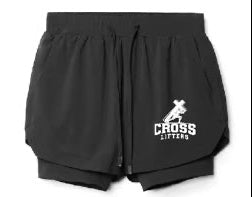
Care for them right and they hold up for the long haul. 14-day returns.
FAQ
Why does my compression shirt smell even after washing?
Excess detergent residue and insufficient rinsing traps bacteria in the fabric. Use less detergent, run an extra rinse, and air dry.
How soon after training should I take my compression gear out of my bag?
As soon as you get home. Within an hour is ideal.
Can I fold and store compression shorts in a drawer?
Loosely, yes. Tightly folded and left compressed for days reduces elastic fiber recovery. Hanging or laying flat is better.
Why should I not size down in compression gear?
Buying too small puts elastic fibers under more stress than they were built to handle, accelerating degradation and restricting movement.
Is fabric softener okay for compression gear?
No. It coats synthetic fibers and degrades moisture-wicking properties. Skip it entirely.
How many times per week can I train in the same compression shirt before washing?
Once per session is the standard. Wearing the same shirt through multiple sessions accelerates odor buildup and fabric degradation.
Stewardship applies to gear too. Care for it right and it serves you. Neglect it and you are buying the same thing again in three months.
Leave a comment
This site is protected by hCaptcha and the hCaptcha Privacy Policy and Terms of Service apply.