
The global compression clothing market is projected to exceed $8 billion by 2026. That number includes a lot of genuinely functional gear. It also includes an enormous amount of product that is compression in name only, fabric that looks the part on a product page, performs adequately for a few weeks, and then spends the rest of its life masquerading as workout gear while providing none of the benefits that made you buy it.
The market is large enough that bad product is not a niche problem. It is the majority of what is being sold. Here is how to tell the difference before you buy, not after the second wash cycle.
What the industry does not want you to know about compression ratings
The compression apparel industry does not have a standardized, enforced rating system for athletic gear. Medical compression garments are regulated and must meet specific mmHg pressure ratings. Athletic compression gear has no equivalent standard.
What this means in practice: a shirt or short can be marketed as "high compression," "pro compression," or "elite compression" with no independent verification of what that actually means. The claims are marketing language, not measured specifications.
The only way to evaluate compression in athletic gear is through the physical properties of the fabric itself: spandex content, fabric weight, and construction quality. The marketing copy tells you nothing reliable. The fabric composition label tells you almost everything.
The spandex percentage problem
Spandex content is the primary driver of compression retention over time. Here is what the numbers actually mean.
Below 10 percent spandex: minimal compression that degrades rapidly with washing. This is the budget end of the market where the product looks like compression gear and performs like a tight t-shirt after six washes.
10 to 15 percent spandex: functional compression with moderate retention. Adequate for light training use. Not built for heavy training frequency.
15 to 25 percent spandex: the functional sweet spot for athletic compression. Enough elasticity to provide real muscle support, enough polyester to maintain breathability and shape, and a balance that holds up to regular training and correct washing over 12 months or more.
Above 30 percent spandex: diminishing returns for training use. The fabric becomes less breathable and more heat-retaining without proportional performance benefit.
Most men buying compression gear have no idea what spandex percentage is in their shirt. The brands that have nothing to hide put this information on the label. The brands that have something to hide put it in the fine print or leave it off entirely.
The seam construction tell
Seam construction is the fastest way to identify whether a compression garment was built for training or built to photograph well.
Flatlock seaming lays flat against the skin, creates no friction ridge during movement, and handles the stress of repeated washing and wearing without fraying at the same rate as standard stitched seams. It costs more to produce.
Overlocked or standard stitched seams create a raised ridge at every seam line. On a compression garment that fits close to the body, these ridges create friction points during high-rep movement: inner thighs during squats and lunges, underarms during pressing, shoulder seams during overhead work.
Look at the inside of the garment before buying. Flat seams that lie flush with the fabric: built for training. Raised seams with visible threading ridges: built to a price point.
The care label test
A brand confident in its fabric quality tells you exactly how to care for it, because they know it will hold up when you follow the instructions.
Cold wash, gentle cycle, hang dry: the brand knows the elastic fibers are heat-sensitive and has built a product that lasts with correct care.
Vague or missing care instructions: the brand does not want to commit to care guidelines because the product does not perform consistently enough to back specific claims.
This is a one-minute check you can do on any compression garment before buying. It tells you more about the durability of the product than any marketing claim on the product page.
What a well-made compression garment at any price point looks like
Spandex content between 15 and 25 percent. Flatlock seam construction on all seams that contact the skin during movement. Explicit cold wash, hang dry care instructions. A fit that is snug without restricting full breathing or range of motion. And a brand willing to tell you exactly what is in the fabric rather than hiding the composition in fine print.
The $8 billion market contains products that meet all of these criteria at $20 and products that fail all of them at $80. Price is not the filter. These four criteria are.
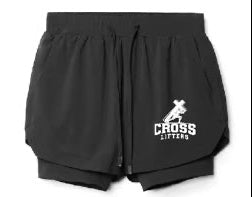
Built to the standard this post describes. 14-day returns if it does not hold up.

Built to last. Not built to photograph. 14-day returns.
FAQ
Is athletic compression gear regulated like medical compression?
No. Medical compression garments must meet specific mmHg pressure ratings. Athletic compression gear has no equivalent standard, which means compression claims in marketing are not independently verified.
What spandex percentage should I look for in compression gear?
Between 15 and 25 percent is the functional range. Below 10 percent provides minimal compression that degrades rapidly.
What is flatlock seaming and why does it matter?
Flatlock seams lie flat against the skin and create no friction ridge during movement. Standard stitched seams create a raised ridge that causes friction during high-rep training.
How do I evaluate compression gear before buying online?
Check the fabric composition for spandex content, look for flatlock seam construction in product photos, and read the care instructions. Specific cold wash and hang dry guidance indicates a brand confident in its fabric.
Does price indicate quality in compression gear?
Not reliably. Spandex content, seam construction, and care instructions are more reliable indicators than price.
The market is large. Most of it is noise. Know what you are looking for and buy that.
Leave a comment
This site is protected by hCaptcha and the hCaptcha Privacy Policy and Terms of Service apply.