Most men buy gym shorts the same way they buy everything else they don't think too hard about.
They grab something in their size. They check the price. If it looks fine and feels fine in the store, it goes in the cart.
Then they wonder why, six weeks later, the shorts are already fading, the waistband is rolling, and every time they hit a heavy set the fabric is doing something it shouldn't be doing.
This is not bad luck. It is a predictable outcome of buying gear the wrong way. Here are the mistakes, why they happen, and what to do instead.
Mistake 1: Buying by waist size alone
The waist is the least important measurement when buying gym shorts for lifting.
What actually determines fit and function is the thigh. If the shorts are too tight through the thigh, you lose range of motion on squats and lunges before the set even gets heavy. If they are too loose through the thigh, the fabric bunches, rides up, and creates friction at exactly the moment you need zero distraction.
Most men buy their waist size and assume the rest follows. It does not. Before buying, check whether the shorts have any thigh measurement guidance. If they don't, that is already a signal about how much thought went into the design.
For Cross Lifters Shorts specifically: they run small. Size up from your usual waist size and you will land in the right zone through the thigh for lifting.
Mistake 2: Ignoring the inseam length
Inseam length is a performance variable, not just a style preference.
A short inseam (4 inches or under) gives maximum airflow and range of motion but creates chafing risk on longer sessions and higher-rep lower body work. A long inseam (8 inches or over) covers more but can restrict stride and feel heavy in a hot gym.
The sweet spot for most lifting sessions is 5 to 7 inches. Long enough to prevent inner thigh friction on squats and deadlifts. Short enough to stay out of the way on everything else.
Most men buying gym shorts never check the inseam. They see a pair that looks right and buy it. Then they spend the next three months adjusting fabric between sets.
Mistake 3: Choosing the wrong fabric for the session type
Not all gym shorts fabric is the same and the difference matters more on your hardest sessions than your easiest ones.
Cotton blends are comfortable off the rack. Under sustained effort they absorb sweat, hold it, and get heavier as the session progresses. By the end of a hard conditioning block or a long leg session, a cotton-blend short has become a liability.
Polyester and spandex blends move moisture away from the skin, dry faster, and hold their shape across an entire session. They are not noticeably better in a 20-minute workout. They are significantly better in a 60-minute one.
Mistake 4: Not knowing whether you need a liner
Gym shorts come lined or unlined. Most men do not think about this until it becomes a problem mid-session.
An internal liner provides support without underwear underneath, and prevents chafing on high-rep or long-duration work. For lifting, a liner is almost always an advantage. It removes one variable from your session.
Unlined shorts require you to either wear underwear underneath (which adds a layer and creates its own friction points) or train without support. If you are buying shorts for serious lifting sessions, check for a liner before you buy.
Mistake 5: Buying cheap and replacing often instead of buying right and replacing rarely
A $15 pair of gym shorts that needs replacing every four months costs $45 a year and delivers four months of degrading performance per cycle. A $30 pair built from the right fabric, washed correctly, and sized properly lasts a year or more and performs consistently throughout.
The cheap option is not cheaper. It is more expensive and worse at the same time.
The shorts built around these decisions
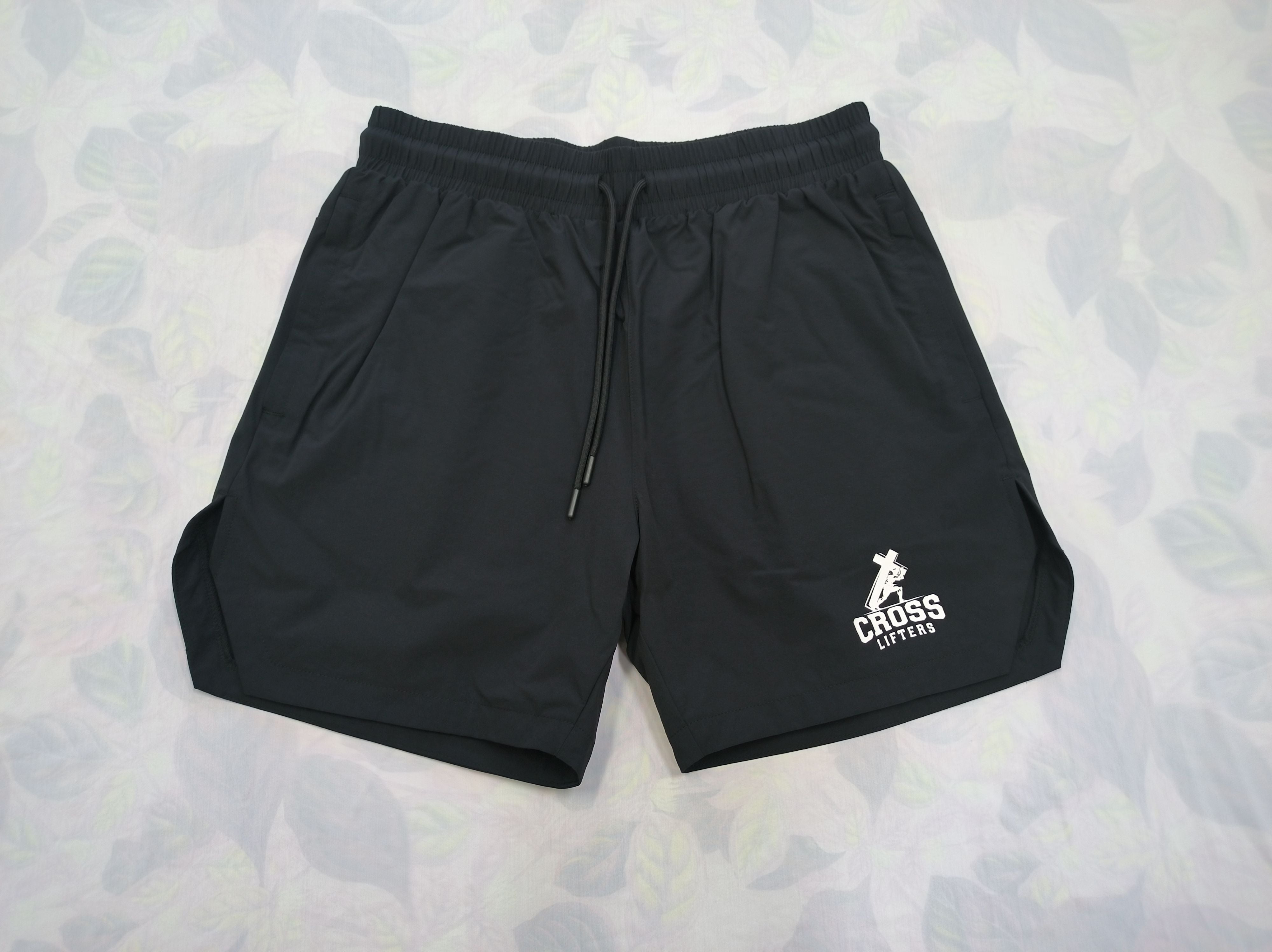
Performance fabric, right inseam, built for lifting. Runs small, size up. 14-day returns.
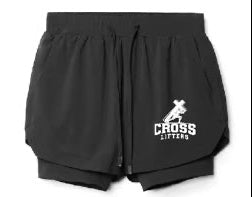
Second-skin fit, zero distraction, built to hold up through the hardest sets. 14-day returns.
FAQ
Should gym shorts be tight or loose for lifting?
Neither extreme. Snug enough through the thigh that fabric doesn't bunch or ride up, with enough room to hit full depth on squats and lunges.
What inseam length is best for weightlifting?
5 to 7 inches covers most lifting sessions well. Long enough to prevent inner thigh friction, short enough to stay out of your range of motion.
Do I need a liner in my gym shorts?
For lifting, yes. A built-in liner eliminates the underwear question and prevents chafing on high-rep work.
Why do cheap gym shorts fall apart so fast?
Budget shorts use lower-grade polyester that loses shape under repeated washing and high-heat drying. Washing cold and hang drying extends the life of any gym short significantly.
How do I know if my gym shorts are the wrong size?
The fabric bunches through the thigh during movement, or the waistband rolls during the session. For Cross Lifters Shorts, sizing up one solves both.
Is it worth spending more on gym shorts?
The math says yes. Better fabric performs better for longer and costs less per session over time.
"Whatever you do, work heartily, as for the Lord and not for men." (Colossians 3:23). If the session deserves your full effort, the gear deserves a real decision.
Leave a comment
This site is protected by hCaptcha and the hCaptcha Privacy Policy and Terms of Service apply.